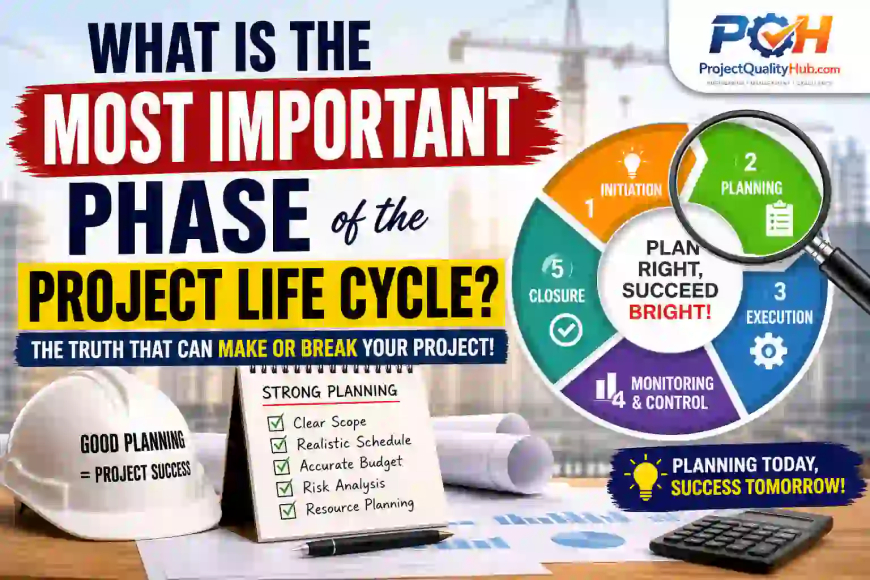
What is The Most Important Phase of the Project Life Cycle?
Discover which phase of the project life cycle truly matters most and why it can make or break your entire project success.
 Suraj Manikpuri
I’ve seen this happen too many times on real project sites—everything looks fine on paper, teams are confident, and deadlines seem achievable. But somewhere down the line, things start falling apart.
Delays. Budget overruns. Confusion. Blame games.
And when you trace the root cause, it almost always leads back to one thing—the wrong phase was taken lightly.
So the big question is: what is the most important phase of the Project Life Cycle?
Let’s break it down honestly, without textbook theory.
📊 Understanding the Project Life Cycle (Quick Overview)
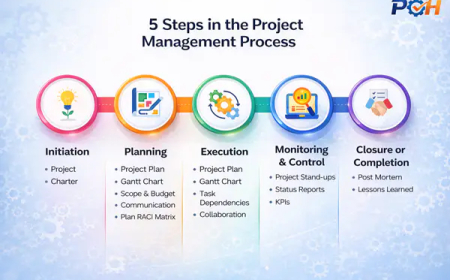
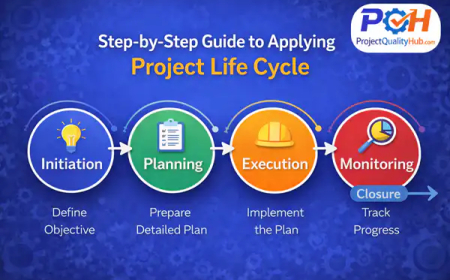
Before we jump to conclusions, let’s quickly recap the phases:
- Initiation
- Planning
- Execution
- Monitoring & Controlling
- Closure
Each phase matters—but not equally.
⭐ The Truth: Planning Phase is the Most Important
🧠 Why Planning Phase Wins (Hands Down)
If I have to pick one phase that determines success or failure—it’s the Planning Phase.
Simple reason:
👉 “A poorly planned project is already half failed.”
Planning is where everything is defined:
- Scope
- Timeline
- Budget
- Resources
- Risks
If this foundation is weak, execution becomes chaos.
💬 Real Talk
“Execution me hero banna easy lagta hai… par asli game planning me jeeta ya haara jaata hai.”
🔍 What Happens During the Planning Phase?
This is not just paperwork. This is engineering thinking in action.
Key Activities:
- Work Breakdown Structure (WBS)
- Resource planning (manpower, machinery)
- Cost estimation
- Scheduling (Primavera P6, MS Project)
- Risk analysis
- Procurement planning
🏗️ Practical Example (From Real Project Site)
Let’s say you're installing a high-pressure pump system in a steel plant.
Scenario A: Weak Planning
- Foundation bolts not aligned properly
- No buffer in schedule
- Vendor delays not considered
👉 Result: Rework, delay, cost increase
Scenario B: Strong Planning
- Detailed drawing verification
- Bolt alignment checked in advance
- Risk buffer added
👉 Result: Smooth installation, zero surprises
🪜 Step-by-Step: How to Make Planning Phase Strong
Step 1: Define Clear Scope
Don’t assume anything. Write everything.
Step 2: Break Work into Tasks (WBS)
Smaller tasks = better control
Step 3: Estimate Realistic Time & Cost
Avoid overconfidence—ground reality matters
Step 4: Identify Risks Early
Ask: “What can go wrong?”
Step 5: Use Proper Tools
Primavera P6 or even Excel—use what works, but plan properly
⚖️ Advantages of Strong Planning
✔ Clear direction for team
✔ Better cost control
✔ Fewer surprises
✔ Higher efficiency
✔ Strong stakeholder confidence
❌ Disadvantages (If Overdone)
⚠ Over-planning can delay project start
⚠ Too much detail can create confusion
⚠ Requires experienced team
Balance is key.
🚫 Common Mistakes People Make
- Skipping risk analysis
- Copy-paste planning from old projects
- Ignoring site conditions
- Unrealistic deadlines
- No communication with execution team
💡 Expert Tips (From Real Experience)
- Always involve execution team during planning
- Validate drawings before finalizing schedule
- Add contingency (time + cost)
- Keep planning flexible—not rigid
- Review plan weekly (not once and forget)
🤔 But What About Execution Phase?
Yes, execution is where work happens.
But remember:
👉 Execution only performs what planning defines.
If planning is wrong, execution cannot save it.
🧾 Conclusion: Planning is the Backbone of Every Project
So, what is the most important phase of the Project Life Cycle?
👉 Without doubt—the Planning Phase.
It’s not glamorous. It doesn’t get applause.
But it decides everything.
If you want successful projects:
- Don’t rush planning
- Don’t ignore details
- Don’t assume things
Because in real life—projects don’t fail in execution…
👉 They fail in planning.
❓ FAQs
1. Why is the planning phase most important in project life cycle?
Because it defines scope, cost, time, and risks—everything execution depends on.
2. Can a project succeed with poor planning?
Very rarely. It may survive, but not efficiently.
3. Which phase takes the most time?
Execution usually takes the most time, but planning has the highest impact.
4. What tools are used in planning phase?
Primavera P6, MS Project, Excel, AutoCAD (for technical validation).
5. Is planning required for small projects too?
Yes. Even small projects need basic planning to avoid confusion.