Step-by-Step Guide to Applying Project Life Cycle: A Practical Method Every Engineer Should Know
Learn the step-by-step guide to applying the Project Life Cycle with real examples, practical tips, and expert insights for engineers and project managers.
 Suraj Manikpuri
Introduction: Why Many Projects Struggle Without a Clear Process
A few years ago, I was involved in a machinery installation project at an industrial site. The equipment had arrived on time, manpower was available, and the drawings were ready. Everything seemed perfect.
But within two weeks, the project started slipping.
Materials were missing, activities were happening in the wrong sequence, and coordination between teams was weak.
The problem wasn’t lack of effort — it was lack of structure.
Once we reorganized the work using the Project Life Cycle, everything started moving smoothly again.
That experience taught me an important lesson:
Projects don't fail because people are incompetent. Projects fail because the process is unclear.
This is where the Step-by-Step Guide to Applying Project Life Cycle becomes extremely useful. It provides a structured path to convert an idea into a successful project.
Let’s understand how to apply it in real life.
Understanding the Project Life Cycle
Before jumping into the steps, let’s quickly understand what the Project Life Cycle means.
A Project Life Cycle is the structured process that guides a project from its initial idea to final completion.
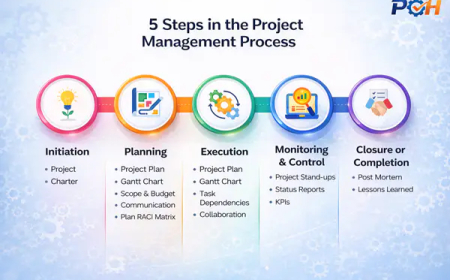
It usually includes five main stages:
-
Initiation
-
Planning
-
Execution
-
Monitoring & Control
-
Closure
Think of it like building a house.
First you decide to build, then design it, then construct it, monitor progress, and finally hand it over.
Simple, but powerful.
Step-by-Step Guide to Applying Project Life Cycle
Step 1: Clearly Define the Project Objective (Initiation Phase)
Every successful project starts with clarity.
Before starting any work, ask these questions:
-
What problem are we solving?
-
What is the final deliverable?
-
Who are the stakeholders?
-
What is the expected timeline?
The output of this phase is usually a Project Charter.
Example
In an industrial project like installing a high-pressure pump system, the initiation phase defines:
-
Purpose of installation
-
Performance requirements
-
Budget estimate
-
Approval from management
Without clear objectives, projects often drift in the wrong direction.
Step 2: Create a Detailed Project Plan (Planning Phase)
Planning is where the real foundation of the project is built.
A well-prepared plan answers questions like:
-
What tasks need to be done?
-
Who will do them?
-
When will they be completed?
-
What resources are required?
Important planning elements include:
-
Work Breakdown Structure (WBS)
-
Project Schedule
-
Cost Estimation
-
Risk Assessment
-
Procurement Planning
Many project managers use tools like:
-
Primavera P6
-
Microsoft Project
-
Gantt Charts
A common saying in project management is:
“If you fail to plan, you are planning to fail.”
Step 3: Execute the Project Plan (Execution Phase)
Now the actual work begins.
In this phase:
-
Teams start performing tasks
-
Equipment is installed
-
Construction begins
-
Procurement activities are completed
Project managers focus on:
-
Team coordination
-
Resource allocation
-
Communication
-
Quality control
For example, in a steel plant project execution may involve:
-
Foundation construction
-
Equipment erection
-
Piping installation
-
Electrical connections
Execution consumes maximum time and budget of the project.
Step 4: Track Progress and Control the Project (Monitoring & Control Phase)
Execution without monitoring is like driving without a speedometer.
The Monitoring & Control phase ensures the project stays on track.
Project managers continuously compare:
Planned Progress vs Actual Progress
Key monitoring activities include:
-
Progress reporting
-
Quality inspections
-
Cost tracking
-
Risk management
-
Schedule control
Example:
If a project is running 7 days behind schedule, the project manager might:
-
Increase manpower
-
Reschedule tasks
-
Prioritize critical activities
Monitoring ensures problems are solved before they become disasters.
Step 5: Complete and Close the Project (Closure Phase)
Once all work is finished, the project enters the closure phase.
Activities include:
-
Final inspection
-
Testing & commissioning
-
Client approval
-
Documentation
-
Lessons learned report
In industrial projects, closure may also involve:
-
Performance testing
-
Handover to operations team
-
Final financial settlement
Closure ensures the project ends properly and professionally.
Practical Example: Applying Project Life Cycle in Real Engineering Work
Let’s take a simple engineering example.
Project: Installation of a High-Pressure Water Pump
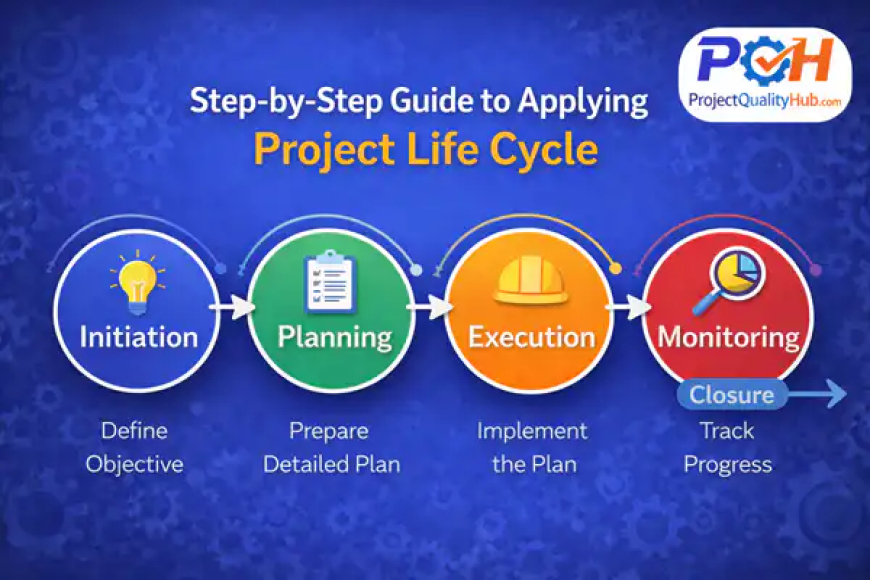
Initiation
Management approves the pump installation project.
Planning
Engineers create drawings, schedule, manpower plan, and procurement list.
Execution
Foundation construction, pump erection, piping connection.
Monitoring
Daily progress meetings and inspection reports.
Closure
Testing, commissioning, and handing over to operations.
This structured process ensures no confusion and minimal delays.
Advantages of Applying Project Life Cycle
Using the Step-by-Step Guide to Applying Project Life Cycle offers several benefits:
✔ Clear project structure
✔ Better time management
✔ Efficient resource utilization
✔ Improved risk control
✔ Better communication between teams
✔ Higher project success rate
For engineers managing complex projects, this framework becomes extremely valuable.
Disadvantages of Project Life Cycle
Despite its benefits, there are some limitations.
❌ Requires detailed planning
❌ Documentation can be time-consuming
❌ Needs experienced project managers
❌ Less flexibility in some rigid systems
However, most successful organizations rely heavily on this approach.
Common Mistakes When Applying Project Life Cycle
Many projects fail due to avoidable mistakes.
1. Skipping Proper Planning
Some teams rush into execution without planning.
This almost always leads to delays.
2. Unclear Scope
If the scope keeps changing, schedules collapse.
3. Poor Communication
Projects require coordination between multiple teams.
Without communication, confusion increases.
4. Ignoring Risk Management
Unexpected problems can stop projects completely.
5. Weak Monitoring
If progress is not tracked regularly, issues remain hidden.
Expert Tips from Real Project Experience
After working on several industrial projects, here are some lessons that always help.
Tip 1: Invest More Time in Planning
Extra planning time saves weeks of rework.
Tip 2: Use Visual Tools
Gantt charts and dashboards help track progress quickly.
Tip 3: Conduct Daily Coordination Meetings
Short daily meetings keep teams aligned.
Tip 4: Document Everything
Documentation protects both engineers and organizations.
Tip 5: Learn from Every Completed Project
Every project provides lessons for the next one.
Conclusion
The Step-by-Step Guide to Applying Project Life Cycle provides a practical roadmap for turning ideas into successful outcomes.
Whether you are an engineering student, site engineer, or project manager, following these structured steps helps manage projects efficiently.
Remember one simple rule:
Successful projects are not accidental — they are carefully initiated, planned, executed, monitored, and closed through a well-defined project life cycle.
Once you master this framework, you will be able to manage projects with greater confidence and clarity.
Frequently Asked Questions (FAQs)
1. What is the Project Life Cycle?
The Project Life Cycle is a structured process that guides a project from the initial idea to final completion through defined phases.
2. How many phases are there in a Project Life Cycle?
Most projects follow five phases:
-
Initiation
-
Planning
-
Execution
-
Monitoring & Control
-
Closure
3. Why is the Project Life Cycle important?
It helps ensure projects are well organized, resources are used efficiently, and risks are managed properly.
4. Can small projects use the Project Life Cycle?
Yes. Even small projects like organizing an event or developing a website can benefit from this structured approach.
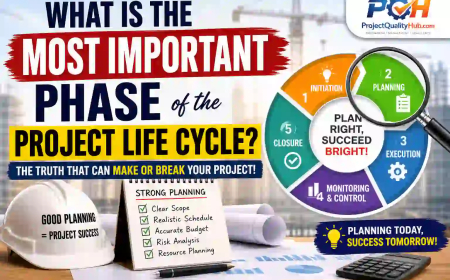
5. Which phase is most important in the Project Life Cycle?
Many experts believe the Planning phase is the most critical because it sets the foundation for the entire project.
Read More >> ISO 21500:2021 Explained Simply – The Global Project Management Standard Every Engineer Should Know