Impact Testing Machine Explained (Charpy vs Izod)
Learn Charpy & Izod impact testing with simple explanation, differences, procedure & real examples for engineers.
 Suraj Manikpuri
🚀 Introduction: Why Some Materials Fail Suddenly
Ek real case share karta hoon…
Ek structure design perfectly correct tha, material bhi standard ke according tha—phir bhi failure ho gaya.
Reason?
👉 Brittle fracture due to impact load.
Yeh wahi cheez hai jo normal tensile test se detect nahi hoti.
That’s where Impact Testing Machine (Charpy / Izod) comes in.
👉 Simple language:
Yeh test batata hai ki material sudden shock ya jhatke ko tolerate karega ya toot jayega.
🔍 What is an Impact Testing Machine?
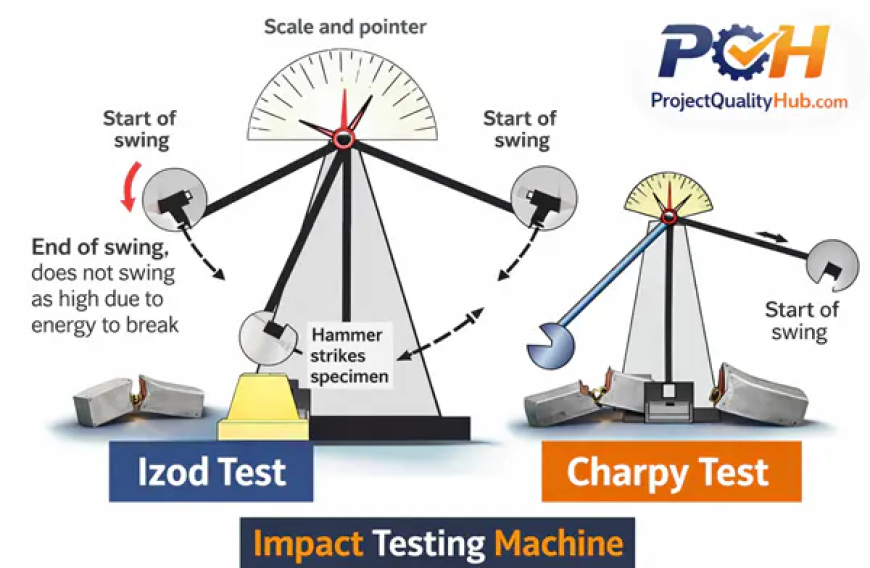
An Impact Testing Machine measures how much energy a material absorbs before breaking under sudden load.
Instead of slow loading (like UTM), here:
👉 Load = sudden (impact)
👉 Result = energy absorbed (Joules)
⚙️ Types of Impact Tests
🔨 1. Charpy Impact Test
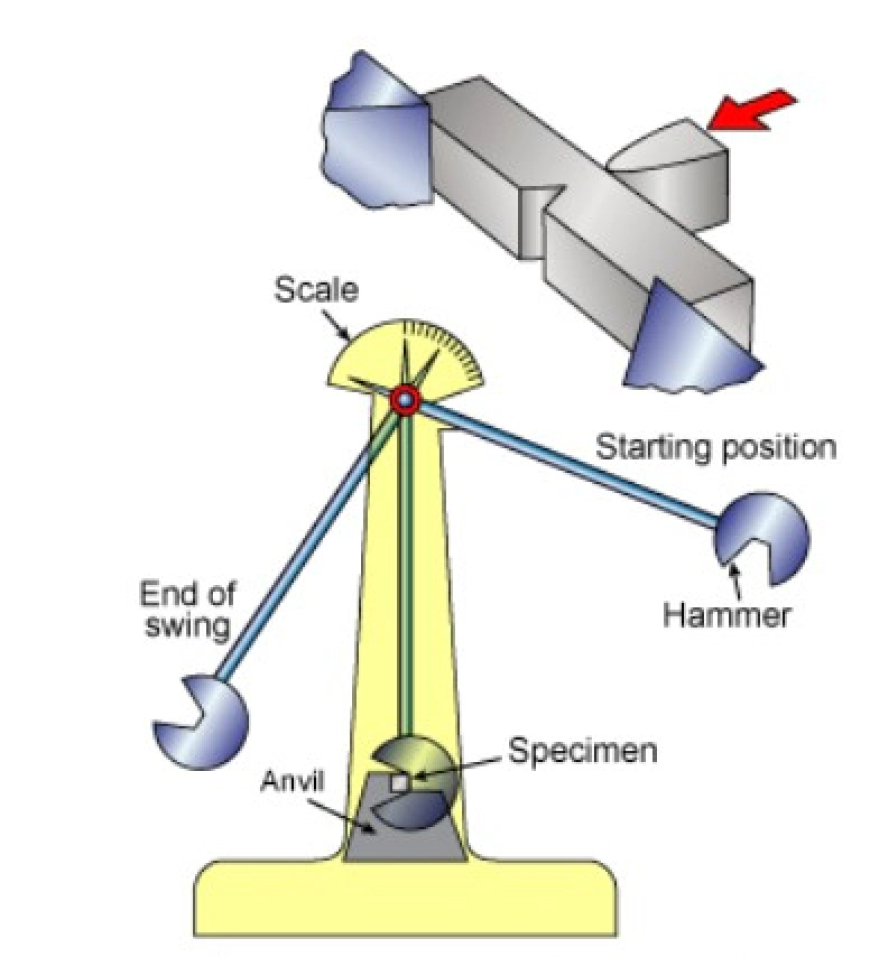
Key Features:
-
Specimen placed horizontally
-
Notch at center
-
Hammer hits opposite side
👉 Most widely used in industries
2. Izod Impact Test
Key Features:
-
Specimen placed vertically
-
Notch facing hammer
-
One end fixed
👉 Used more in plastics & polymers
🔍 Charpy vs Izod (Quick Difference)
| Feature | Charpy Test | Izod Test |
|---|---|---|
| Specimen Position | Horizontal | Vertical |
| Notch Location | Center | Top |
| Support | Both ends | One end fixed |
| Usage | Metals | Plastics |
👉 Easy yaad rakhne ka trick:
Charpy = Center notch, Izod = Top notch
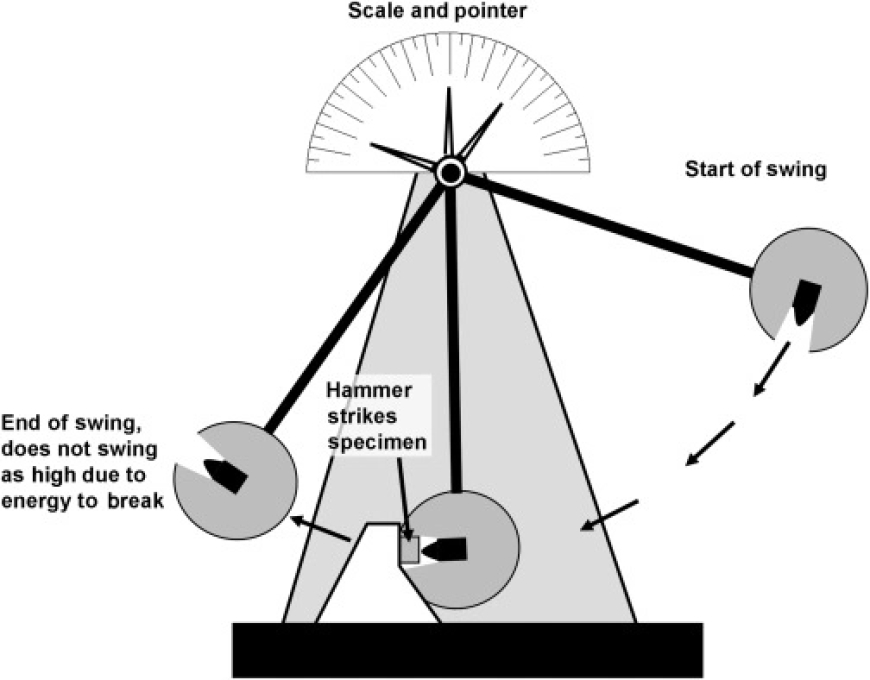
⚙️ How Does Impact Testing Machine Work?
Concept simple hai:
-
Pendulum hammer ko raise karo
-
Specimen ko fix karo
-
Hammer release karo
-
Specimen break hota hai
-
Energy loss measure hoti hai
👉 Energy absorbed = Material toughness
🧪 Step-by-Step Impact Test Procedure
🟢 Step 1: Specimen Preparation
-
Standard size specimen
-
Notch (V or U type)
👉 Notch is critical—it creates stress concentration
🟡 Step 2: Machine Setup
-
Select Charpy / Izod mode
-
Set pendulum height
-
Zero calibration
🔵 Step 3: Mount Specimen
-
Proper alignment
-
Correct notch orientation
👉 Galat orientation = wrong result
🔴 Step 4: Perform Test
-
Release pendulum
-
Hammer strikes specimen
-
Specimen fractures
🟣 Step 5: Record Result
-
Energy absorbed (Joules)
-
Observe fracture type
👉 Ductile vs brittle fracture analysis
🏭 Real-Life Applications
🔩 Steel Industry
-
Check toughness of structural steel
❄️ Low Temperature Testing
-
Critical for cold regions
🚗 Automobile Industry
-
Crash resistance of components
🛫 Aerospace
-
High reliability materials
📊 Practical Example
A steel sample tested:
-
High tensile strength (UTM)
-
But low impact energy
👉 Result: Rejected
Because sudden load mein fail ho sakta tha.
✅ Advantages
✔ Quick testing
✔ Simple operation
✔ Detects brittle behavior
✔ Essential for safety
❌ Disadvantages
❌ Notch sensitive
❌ Less precise than UTM
❌ Limited to impact behavior
⚠️ Common Mistakes
❌ Wrong notch direction
❌ Improper specimen size
❌ Ignoring temperature effect
❌ Loose mounting
👉 Biggest mistake: Only tensile test pe depend karna
🧠 Expert Tips (From Experience)
💡 Always check notch orientation
💡 Test at required temperature
💡 Observe fracture surface carefully
💡 Repeat test for accuracy
👉 Real tip: Energy value se zyada fracture type important hota hai
🏁 Conclusion: Strength is Not Enough—Toughness Matters
A material can be strong…
but still fail suddenly.
That’s why Impact Testing Machine (Charpy / Izod) is critical.
👉 UTM tells strength
👉 Impact test tells survival under shock
A smart engineer always checks both.
❓ FAQs
1. What is the purpose of impact testing?
To measure material toughness under sudden load.
2. What is difference between Charpy and Izod test?
Charpy uses horizontal specimen, Izod uses vertical.
3. What is measured in impact test?
Energy absorbed in Joules.
4. Why notch is provided in specimen?
To create stress concentration for fracture.
5. Is impact test important for steel?
Yes, especially for structural and low-temperature applications.