
Refractory Material Testing Equipment in Lab: A Practical Guide Every Engineer Should Know
Complete guide on refractory material testing equipment used in labs with practical examples, methods, and expert tips for engineers.
 Suraj Manikpuri

🧠 Introduction: Why Refractory Testing Matters (Real Story)
A few years back, during a shutdown at a steel plant, we faced a serious issue. The furnace lining failed much earlier than expected. Crores ka loss ho gaya — not because of design, but because the refractory bricks used were not properly tested.
That day I realized one thing clearly:
👉 Refractory material is only as good as the testing behind it.
If you’re a student, engineer, or working in industries like steel, cement, or power — understanding refractory material testing equipment in lab is not optional. It’s essential.
Let’s break it down in a simple and practical way.
🔬 What is Refractory Material Testing?
Refractory materials are heat-resistant materials used in furnaces, kilns, boilers, and reactors.
But before using them, we must test:
- Can it handle high temperature?
- Will it crack under load?
- How strong is it?
This is where refractory testing equipment comes into play.
🏭 Types of Refractory Material Testing Equipment in Lab
Let’s go through the most important equipment you’ll find in a typical refractory lab:
1. 🔥 Refractoriness Under Load (RUL) Apparatus


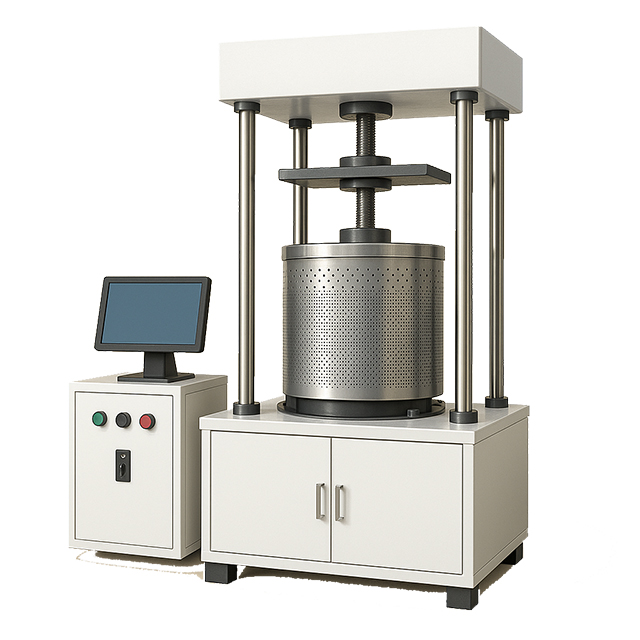
Purpose:
Measures how a refractory behaves under load at high temperature.
Why it matters:
Furnace lining always faces load + heat. This test ensures material won’t deform.
👉 Simple words:
“Heat + Pressure = Real condition simulation”
2. 🧱 Cold Crushing Strength (CCS) Testing Machine
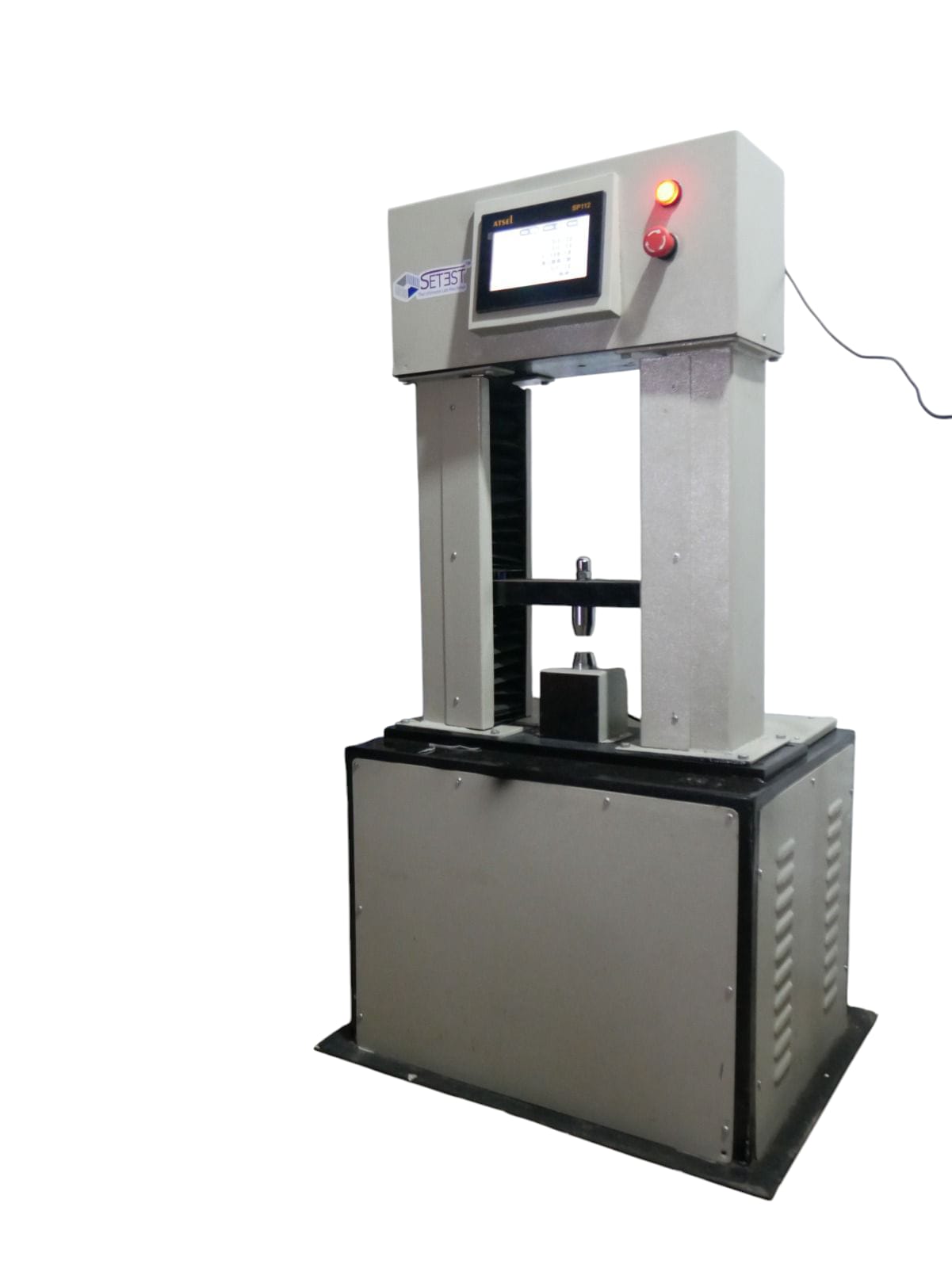

Purpose:
Measures compressive strength of refractory bricks at room temperature.
Real-life example:
If CCS is low → bricks will break during handling or installation.
3. 🌡️ Pyrometric Cone Equivalent (PCE) Apparatus

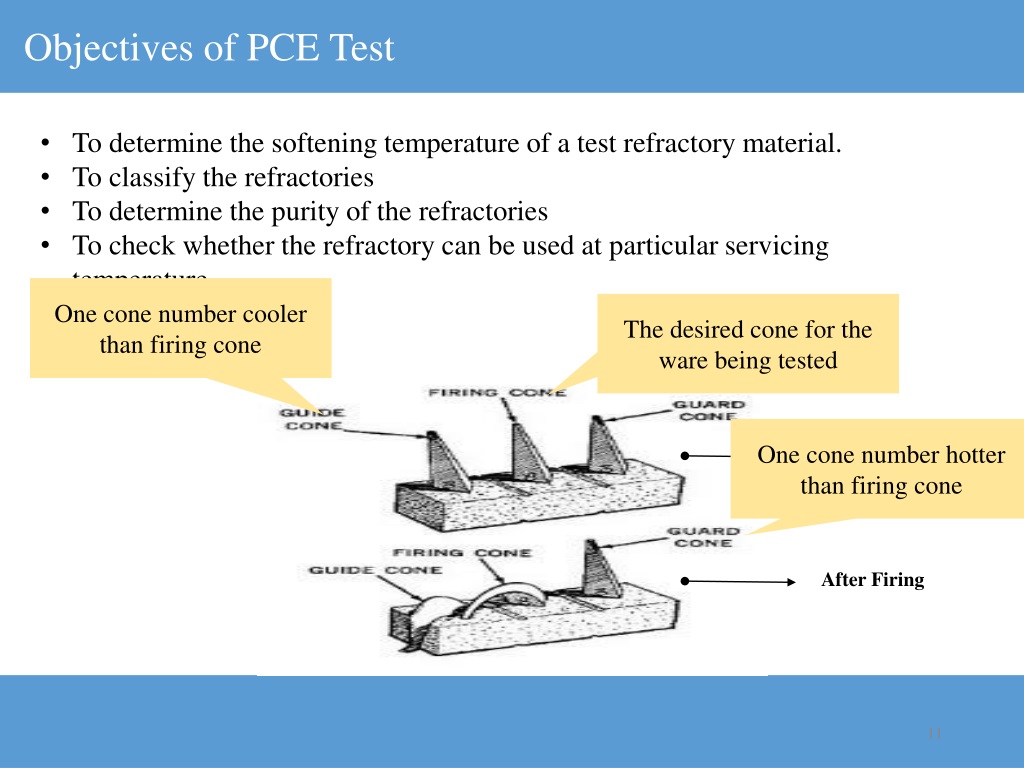
Purpose:
Determines the softening temperature of refractory material.
👉 In simple language:
At what temperature does the material start bending?
4. 💧 Apparent Porosity & Bulk Density Test Setup
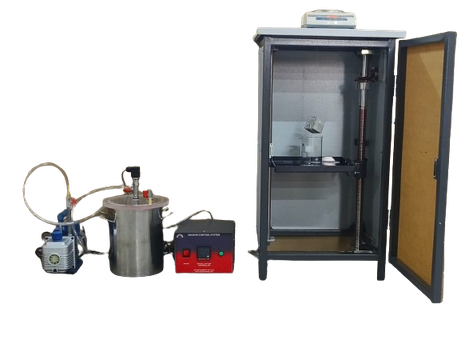
Purpose:
Checks how much water the material absorbs.
Why important?
Higher porosity = lower strength & higher wear rate.
5. 🔥 Permanent Linear Change (PLC) Furnace

Purpose:
Measures expansion or shrinkage after heating.
👉 Important insight:
Uncontrolled expansion = cracks in furnace lining.
6. ⚖️ Modulus of Rupture (MOR) Testing Machine


Purpose:
Measures bending strength of refractory material.
Use case:
Important for areas exposed to mechanical stress.
🏗️ Practical Example (Steel Plant Case)
In a plate mill descaling unit (like the one I’ve worked on), refractory lining near the furnace exit must withstand:
- High temperature (~1200°C)
- Water splash
- Mechanical impact
Before installation, lab tests like RUL + CCS + Porosity are checked.
👉 If even one parameter fails, lining life reduces drastically.
🧾 Step-by-Step: How Refractory Testing is Done in Lab
- Sample cutting (standard size)
- Drying the sample
- Performing individual tests:
- CCS → strength
- RUL → high temp performance
- Porosity → water absorption
- Recording readings
- Comparing with standards (IS / ASTM)
- Approving or rejecting material
👉 Simple rule:
“Test → Verify → Then Use”
✅ Advantages of Proper Refractory Testing
✔️ Increases furnace life
✔️ Prevents unexpected shutdowns
✔️ Improves safety
✔️ Saves maintenance cost
✔️ Ensures quality assurance
❌ Disadvantages (If Ignored)
❌ Early failure of lining
❌ Production loss
❌ Safety hazards
❌ High replacement cost
⚠️ Common Mistakes Engineers Make
- Ignoring porosity values
- Relying only on supplier data
- Skipping lab testing during urgency
- Not following standard sample size
👉 Reality:
“Shortcuts in testing = long-term losses”
💡 Expert Tips (From Real Experience)
✔️ Always cross-check lab results with site conditions
✔️ Don’t compromise on RUL for high-temperature zones
✔️ Maintain proper calibration of testing equipment
✔️ Record historical data for future comparison
✔️ Use reputed labs only
👉 Golden Tip:
“Cheap refractory becomes the most expensive mistake.”
🏁 Conclusion
Understanding refractory material testing equipment in lab is not just academic knowledge — it’s a real-world necessity.
Whether you are a student or a working engineer, this knowledge helps you:
- Make better decisions
- Avoid costly failures
- Build trust in your work
In industries like steel and cement, quality testing is the backbone of reliability.
So next time you see a furnace, remember —
👉 Its strength lies not in the bricks, but in the testing behind them.
❓ FAQs
1. What is the most important test for refractory material?
RUL and CCS are considered most critical for performance evaluation.
2. Why is porosity important in refractory?
Higher porosity reduces strength and increases wear rate.
3. What is PCE in refractory testing?
It determines the softening temperature of refractory material.
4. How often should refractory testing be done?
Before installation and during quality audits.
5. Which industries use refractory testing?
Steel, cement, power plants, glass, and petrochemical industries.